

Stranger Than Non-Fiction
Colleen Hoover is the Only Worthy Rival to Short-Form Reality

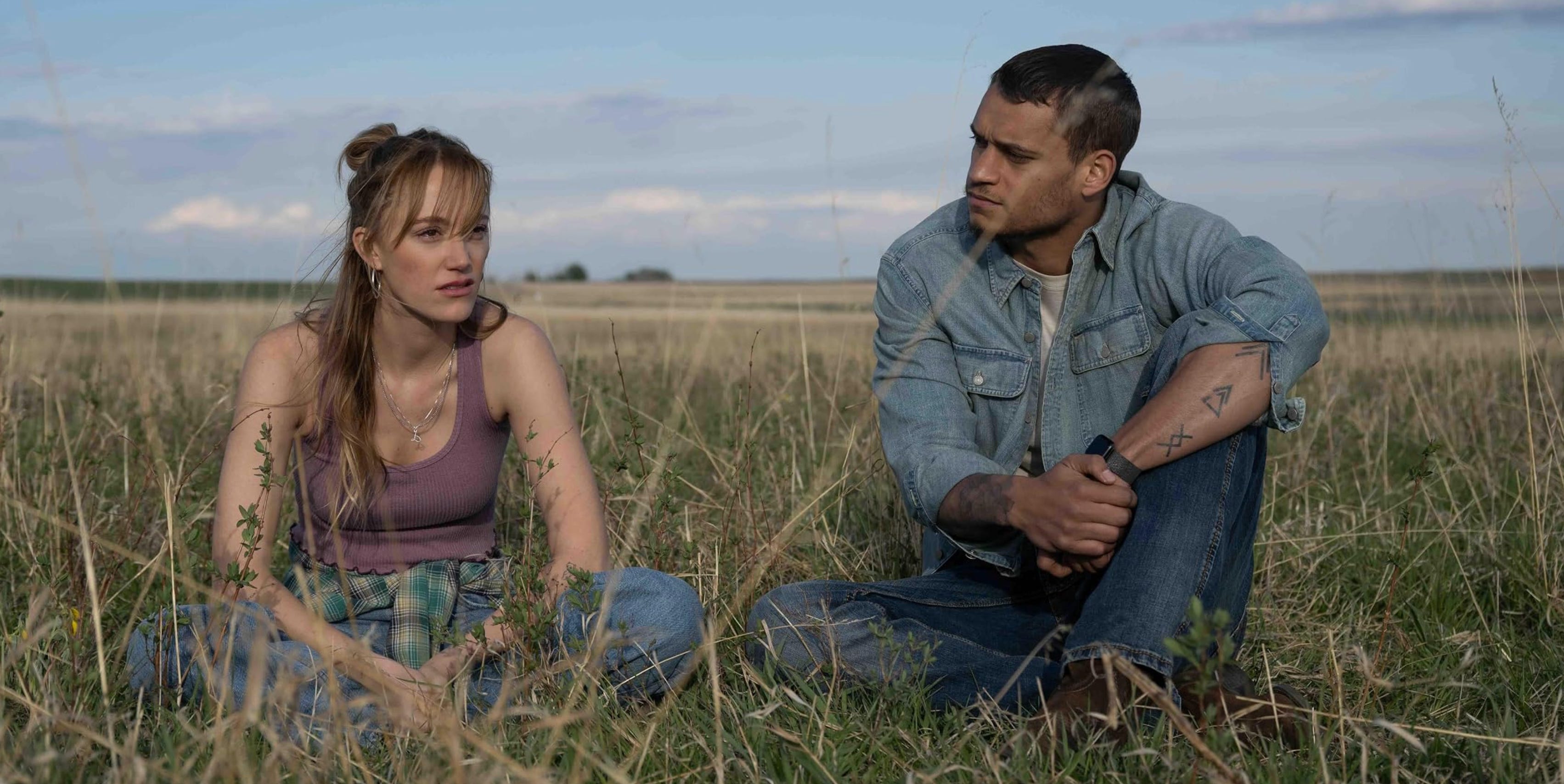
When the days get longer and the sun gets hotter, something in the air turns my brain straight to mush. Every poignant thought seems to have already been said, every interesting observation has already been made. There’s nothing new to discover, no more history to be made. All that’s left for me to do is lie in the grass and sand and let the sunshine lull me to sleep.
As you can imagine, my media consumption habits follow a similar pattern. I often “read” more books than ever in the summer, but with the perpetual state of tranquility I find myself in, it’s often hard for me to actually digest them. I inevitably nod off on the sun-soaked couch, the book falling on my chest. To counter this, in the evenings, I often reach for programs that are extra sugary and nonsensical to keep me engaged, especially during the inevitable week or two I spend at home in Washington State with my little sisters. Our time, post-dinner, damp hair on the couch with a bowl of ice cream or a mug of tea, screaming at the television, the sun about to set in the screen’s reflection. It’s like church to me.
I made a mental note to suggest that my sisters and I watch Reminders of Him, a Colleen Hoover adaptation, when I was home next after seeing ads for it around Los Angeles. The poster features a tanned young man and woman in a denim shirt and cut-off shorts about to kiss in a wheat field, an orange pickup truck, and a Western mountainscape adorning the background. Vaguely conservative in its branding, it was unclear to me whether the “h” in the word “Him” was pointedly capitalized or not. My perfect summer watch.
My sisters and I sat down to watch this film on the fifth of July, expecting something that was hokey and Netflix original-esque in tone, and instead receiving something that was somehow even more disheartening, idiotic, and moving than we could have imagined.
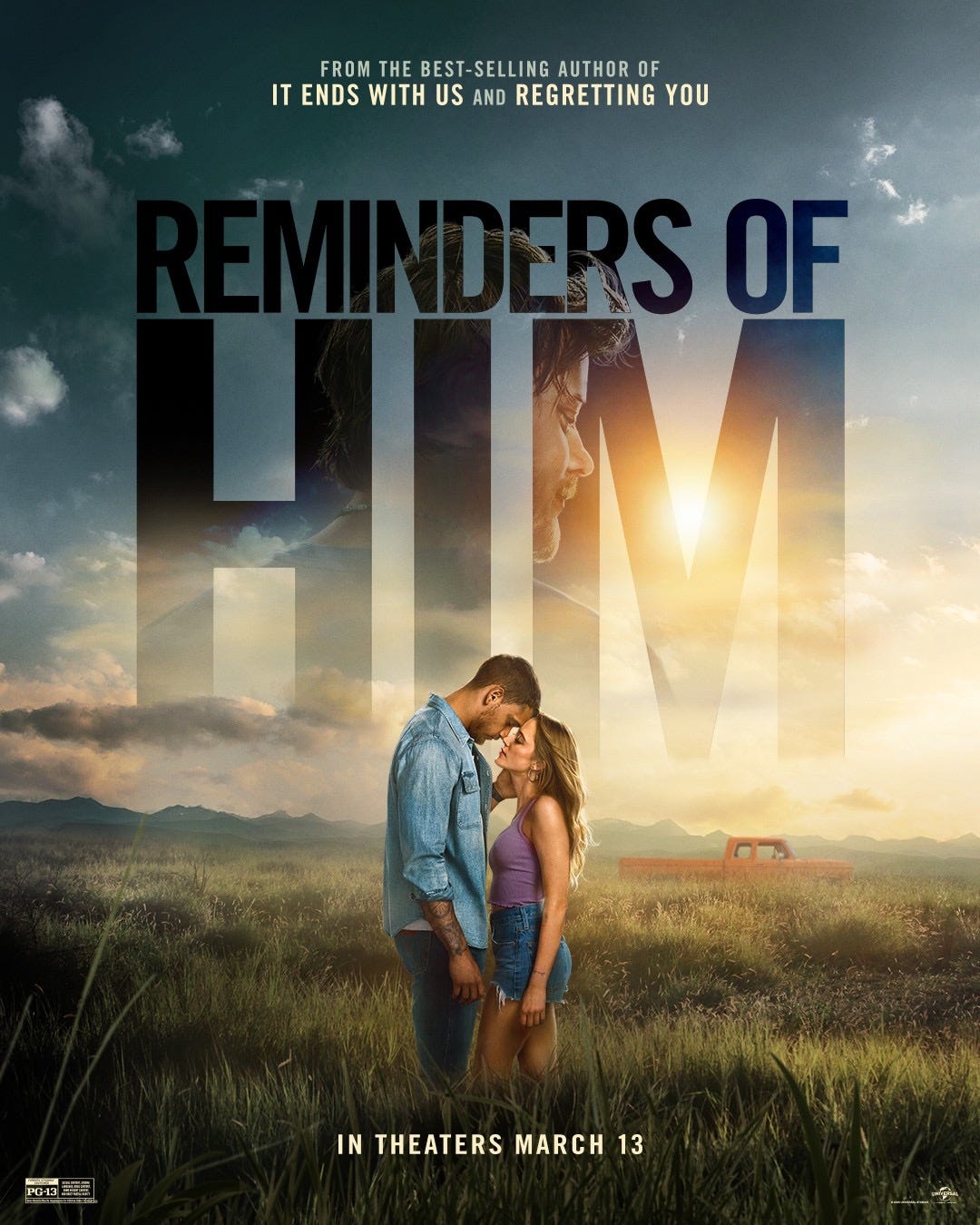
In true Colleen Hoover fashion, the main characters in this film have highly Caucasian names and severely traumatic back stories. The film opens with Kenna Rowan, a petite, mousy blonde (always a petite, mousy blonde), being released from prison and returning to her hometown of Laramie, Wyoming, to try to meet her daughter, Diem (as in “Carpe”), for the first time, a daughter that she gave birth to in prison. We learn that Kenna served five years in prison for vehicular manslaughter after hitting a pothole while driving on half an edible, the car spinning off a ravine and killing her boyfriend and baby daddy, Scotty Landry, who was in the passenger seat.
Scotty’s parents have disowned Kenna and spent the last five years raising her daughter, as Kenna’s parental rights were immediately terminated after giving birth. Scotty’s childhood best friend, Ledger Ward (I can’t make these names up), an ex-NFL player and multi-millionaire, returned to Laramie after injuring his shoulder to start a neighborhood bar and care for Diem out of the kindness of his heart. Ledger is initially protective and icy towards Kenna, barring her from seeing her daughter, but softens over time as she proves her honest intentions and hard work ethic.
Ledger and Kenna fall in love at a rushed, icky pace, given that Ledger is Kenna’s deceased baby daddy’s best friend. The romantic aspect of the story felt so forced and unnatural, my sisters and I periodically squirmed and shrieked in our seats. I don’t think these two characters falling in love is “problematic,” per se, but rather their attraction to each other is hyper-sexual off the bat, making it feel slightly less rooted and genuine. I could understand Ledger falling for Kenna, given how much he cares for her daughter. But a slower burn, involving Ledger seeing aspects of Diem in Kenna over time, would have made for a more tender story and handled the trauma-logged plot points better. But this is an adapted BookTok book after all, meaning it calls for smut, even if it’s clumsily, insensitively inserted.
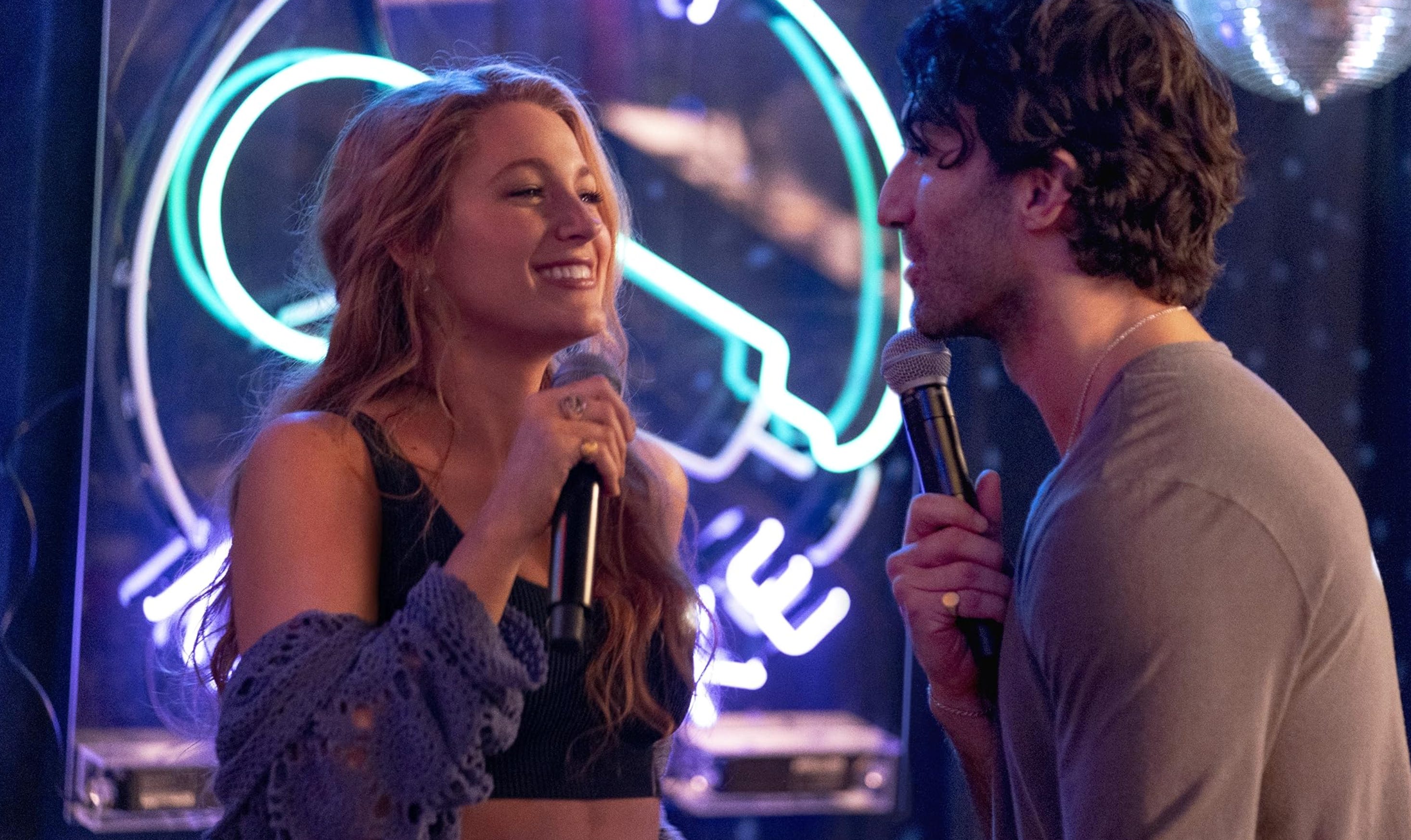
I’ve watched every Colleen Hoover film adaptation to date, and there is something rather intoxicating, narcotic, even, about the style and substance of each one. For one, the films are securing near-top-shelf talent, names and faces recognizable enough to get butts in seats while retaining a budget of less than $30 million on average, including Blake Lively in It Ends With Us (2024), Allison Williams and Dave Franco in Regretting You (2025), and horror darling Maika Monroe in Reminders of Him (2026). The acting and cinematography are not terrible, at least not as bad as the writing, making the viewing experience both legible for the masses and palatable enough for high-brow viewers who are willing to suspend disbelief.
But what’s most addictive about these books-turned-movies is their fearlessness in depicting and romanticizing incredibly heavy, interlocking incidents of trauma. The dead wives, wars, and terminal illnesses of Nicholas Sparks’ 90s novels are no match for the compounding car crashes, affairs, prison sentences, and domestic violence disputes portrayed in Hoover’s books. It’s not that Hoover necessarily gives her characters worse tragedies than Sparks does, but rather that she gives them many small, intermeshed traumas that snowball into a colossal, near-unrealistic load on the protagonists’ shoulders. Just when we think things can’t get worse, they reach comical levels of terrible, gasoline thrown on already-combusting dumpster fires. It’s like a clown car of personal tragedies, so many hellish rabbits being pulled out of hats that you simply have to laugh.
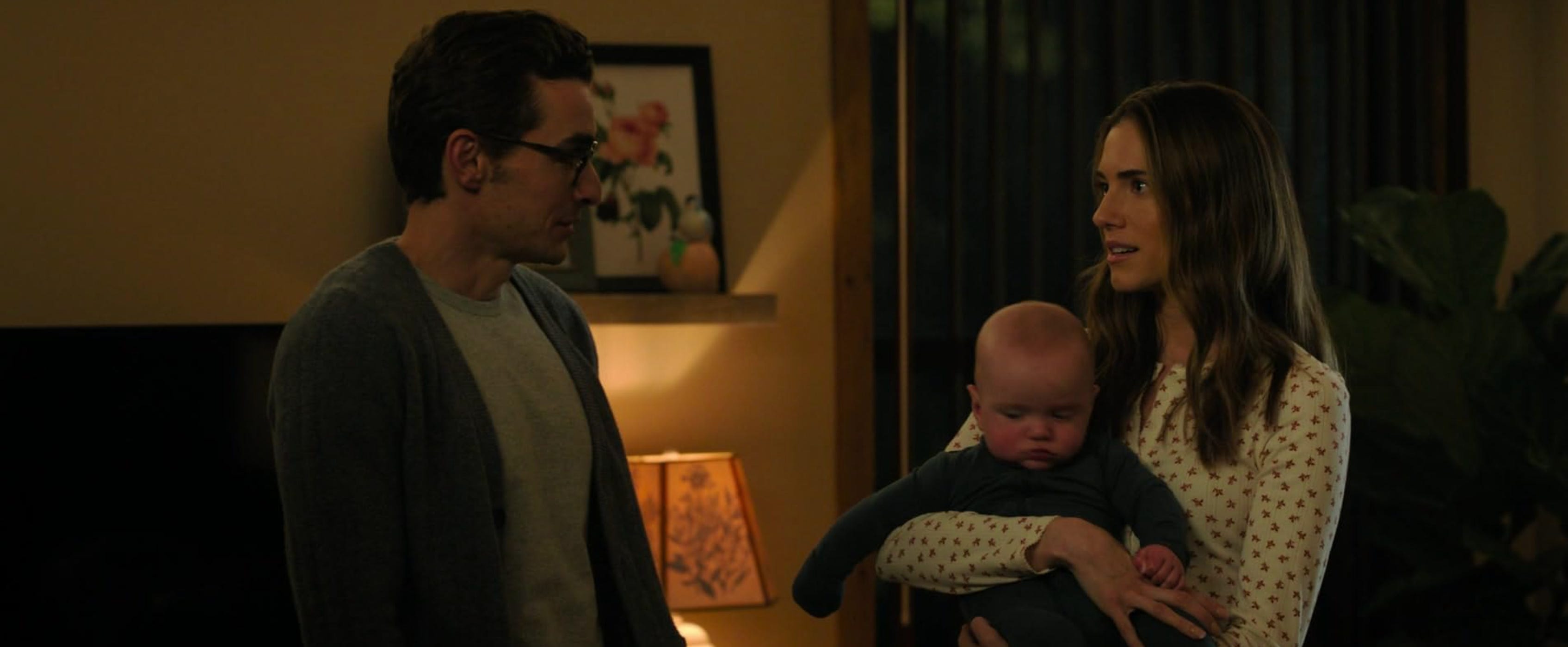
Take Regretting You (2026) for instance. The film’s inciting incident involves protagonist Morgan Grant rushing to the hospital after her husband gets in a car crash. At the hospital, before learning that her husband didn’t survive, she also notices her brother-in-law, Jonah, in the waiting room, shaken. It turns out Morgan’s sister, Jonah’s wife, was also in a car accident, the same car accident, because, gasp, her husband and sister were having an affair. What’s worse, throughout the remainder of the film, we learn that Morgan and Jonah have been harboring feelings for one another for over a decade, their deceased partners eerily creating space for them to finally be together.
Colleen Hoover tropes are less “will they, won’t they?” and more straight-up “should they?”, almost always bringing together two characters that would make for a problematic romantic pairing in real life. On the tamer end of the spectrum, Hoover makes in-laws and exes of best friends fall in love, and on the heavier end, such as in It Ends With Us, heroines ponder whether they should stay with their abusers.
Hoover’s sauce also lies in her extreme transparency, spelling out storylines so plainly that only half of your attention span is required to receive the full blow of her punches. The graphic tragedies, explicit budding attractions, and bald sexual encounters are all painfully intelligible, near-headache-inducing in their directness. This is nothing new, of course; Fabio-clad supermarket paperbacks and Hallmark originals have similarly relied on highly legible, predictable plotlines to hold attention. But Hoover’s stories are also laced with highly detailed, crystalline tragedies, making them apt for an audience that’s regularly interrupting their reading and movie-viewing experiences with short-form scrolling, becoming numb to real-life tragedies that are served in chopped-up thirty-second snippets alongside clips of teenagers thirst-trapping. Hoover’s trauma-dense writing is one of the only worthy long-form competitors to volatile short-form feeds.
Not unlike one’s neurotic, high-contrast TikTok algorithm, in Hoover Land, dark themes clash with adults wearing Brandy Melville, flirting like middle schoolers, and engaging in impulsive sexual encounters, making the viewing experience as jarring and disorienting as a twenty-minute scrolling session. And similar to a typical For You page, peppered throughout the algorithmic slop are more realistic displays of humanity that are rather moving.
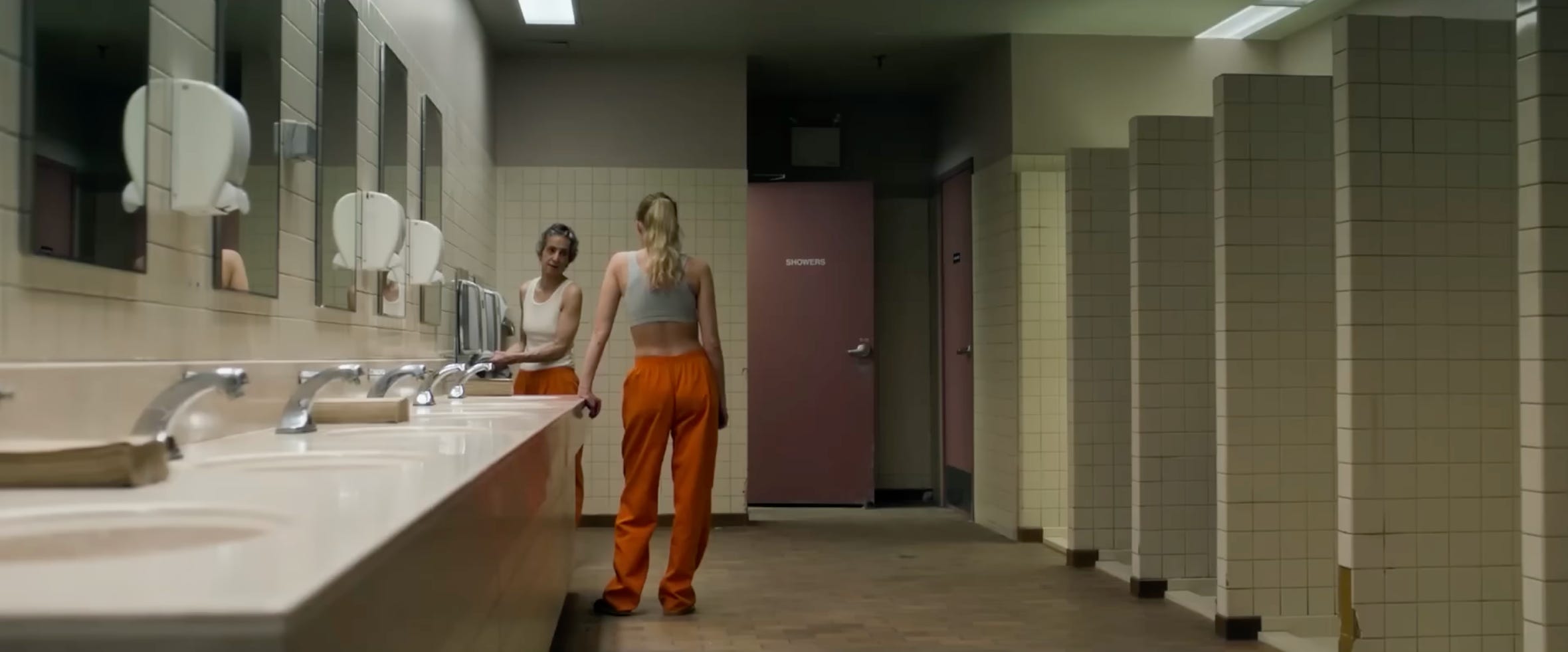
For example, in Reminders of Him, there’s a prison flashback scene in which Kenna recalls herself lactating through her prison uniform after her baby is taken from her. We’re confronted with an image of her sitting alone in the rec room in a tight, ribbed tank top, milk-stained circles forming on her breasts as she stares forlornly out into space. It’s a tragic image, eliciting an “Oh my god” from my sisters and me, shocked at the fact that this movie was really going there. A fellow incarcerated woman, older and more hardened, notices Kenna and takes her to the bathroom, handing her folded paper towels to put in her bra. “Are you gonna live in your sadness or are you gonna die in it?” she asks Kenna. The moment is so plain in its messaging that it’s a genuinely touching pocket in the film, in between the cringe sex scenes and stilted moments of flirtation.
Shortly after we finished the movie, my nineteen-year-old sister showed me a video on her TikTok feed of an NYPD officer literally talking a woman sitting on the edge of the Brooklyn Bridge off the ledge. “This is a permanent solution to a temporary problem,” he pleaded in his Jersey accent. “Oh my god,” was all that I could say, having frankly seen so many videos of situations like this, and worse, on my feed over the years.
We are simultaneously closer and more detached than ever from real-world tragedies, and it’s understandably upping the intensity of mainstream fiction. Our capacity to mindlessly consume and emotionally detach from tragedy, fictitious or not, isn’t making us stronger but more catatonic in the face of real human suffering. Nearly every person in every major American city walks by an unhoused person on the street experiencing some kind of crisis daily, numbly and without flinching. We crop out the suffering in our photo dumps, step over the warm human bodies sleeping on our doorstep, and keep it pushing, all of this being a seemingly necessary condition of modern urban life. It shouldn’t be.
This phenomenon makes itself especially clear when you watch a movie like Reminders of Him with your little sisters and peer over their shoulders as they scroll afterwards. Even without social media, there was obviously no stalling their growing up; young people need to see a complete picture of the world in order to be readily equipped to help change it. Still, I don’t think these highly erratic, transparent versions of reality are the right forums for them to learn about suffering. In a world where we’re constantly inundated with hyper-stylized, hyperbolic conceptions of reality online, we have lost our patience for poetry, which has a way of conveying information in a more sensitive and emotionally evocative manner. When even our fictions are garish and bald, the hard edges of reality become even sharper. So long as our attention spans are short and our capacity for interpretation is diminished, “artists” like Colleen Hoover will reign supreme.
“dark themes clash with adults wearing Brandy Melville, “ MAMAS I JUST WALKED OUT OF A BRANDY MELVILLE I DID NOT ASK TO BE CALLED OUT LIKE THIS (i make this comment in jest)
This was AWESOME. You really hit the nail on the head with the itch that Colleen Hoover seems to scratch.