

Feels So Scary Getting Old
Fandom, Aging, and the Impatience of Teenagehood

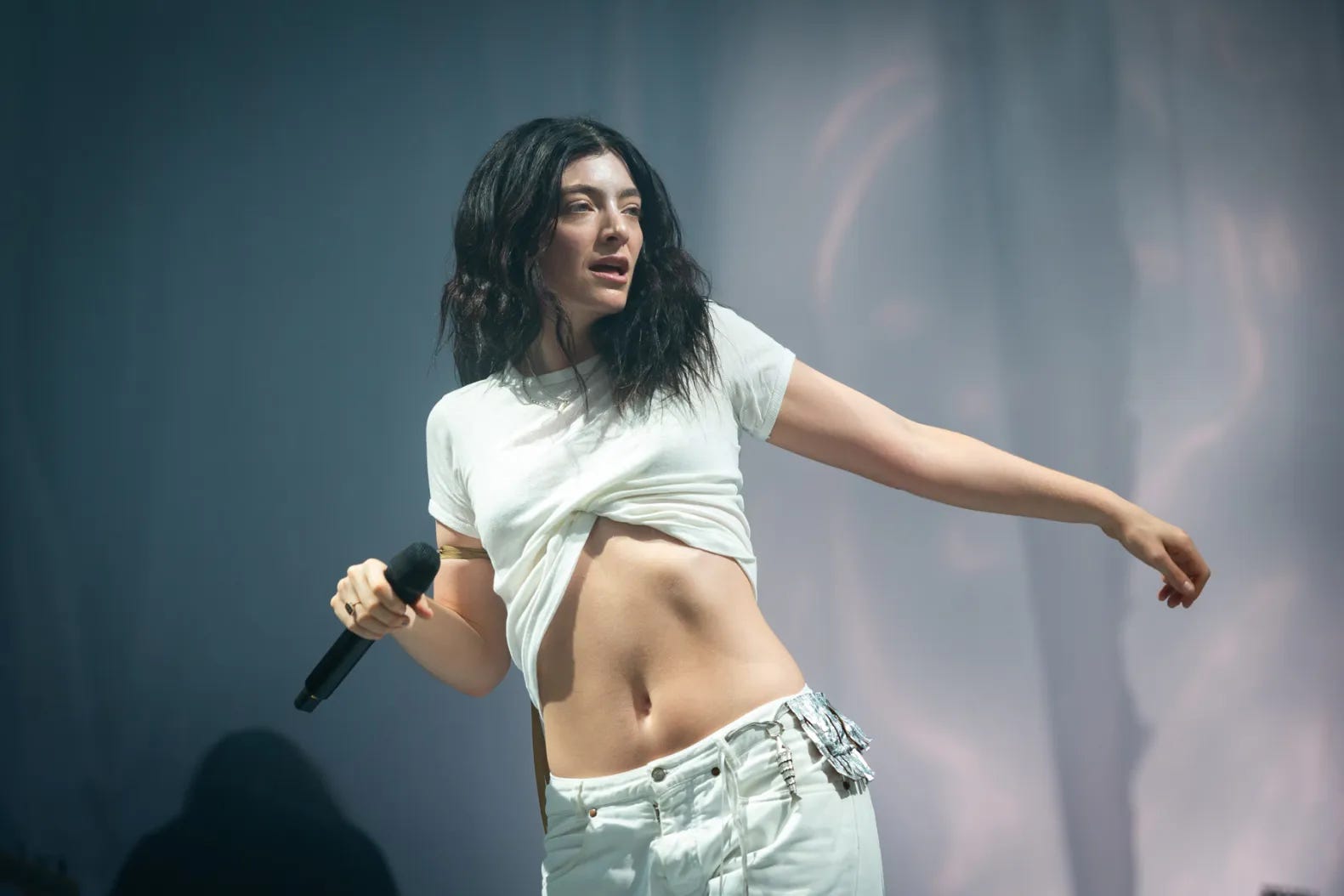
“This is the oldest and most precious song we have,” Lorde shouts from a small, elevated platform in the middle of the crowd. “Grab your friend’s hand and hold it tight.” A crowd has assembled at her feet, jumping, sweating, waving their hands in the air with their eyes closed. If you turned the sound off and just focused on the body movements, you would think they’re evangelicals. They’re something close to that. The song Lorde is referring to is, of course, “Ribs,” a track off her debut studio album Pure Heroine (2013), a record that soundtracked my thirteenth year.
“A World Alone” and “Ribs” are the encore songs on the Ultra Sound World Tour, Lorde’s fourth major concert tour, supporting her fourth studio album Virgin (2025). The encore songs weren’t debut singles, but rather songs that Lorde’s supporters grabbed hold of and infused with personal meaning in the early 2010s. The former makes reference to the generation of young people who were raised on the internet, which, at times, amplified the already impersonal, isolating experience of being a teenager. Lorde paints a picture of teenage ennui, waiting for the sun to go down, kissing out of boredom, and staring at your feet at a party before eventually retreating with yourself and your best friend. “You’re my best friend and we’re dancing in a world alone,” she sings in the bridge. “A world alone, we’re all alone.”
“Ribs” makes a similar reference to the lonely, spacious feeling of being a teenager, but more explicitly references the speed at which time actually passes. “It feels so scary getting old,” Lorde confesses, at sixteen years old, before the pre-chorus repeats itself at a sped-up tempo, sounding like a tape recorder rewinding - or fast-forwarding. Neither excitement nor boredom will make the clock slow down. The blood will eventually run stale. “You’re the only friend I need / Sharing beds like little kids / And laugh until our ribs get tough / But that will never be enough.”
The crowd at the Ultra Sound World Tour belts these words, their chests opening to the sky. Lorde urges them to jump as the song builds to the bridge. I’m up in the rafters, jumping next to my mom, who I invited to the show after failing to find a friend in town to take the second ticket. Tears are streaming down my face, and my mom rubs my shoulder, confused. I start laughing.
It’s hard to explain what being a kid on the internet in the 2010s felt like to someone who didn’t experience it. People who weren’t a part of internet fandoms are especially clueless. Logging online and engaging with photos, videos, and text related to your favorite artist, book series, or film franchise wasn’t just a means of finding community. It wasn’t as simple as joining a sports team or going to church. It was a way for teenagers, a typically powerless sect of the population, to enact something - anything. It was an opportunity to poke one’s finger into the fabric of reality and watch it ripple outwards. Leave a stain. Drop an egg and watch it crack open on the ground.
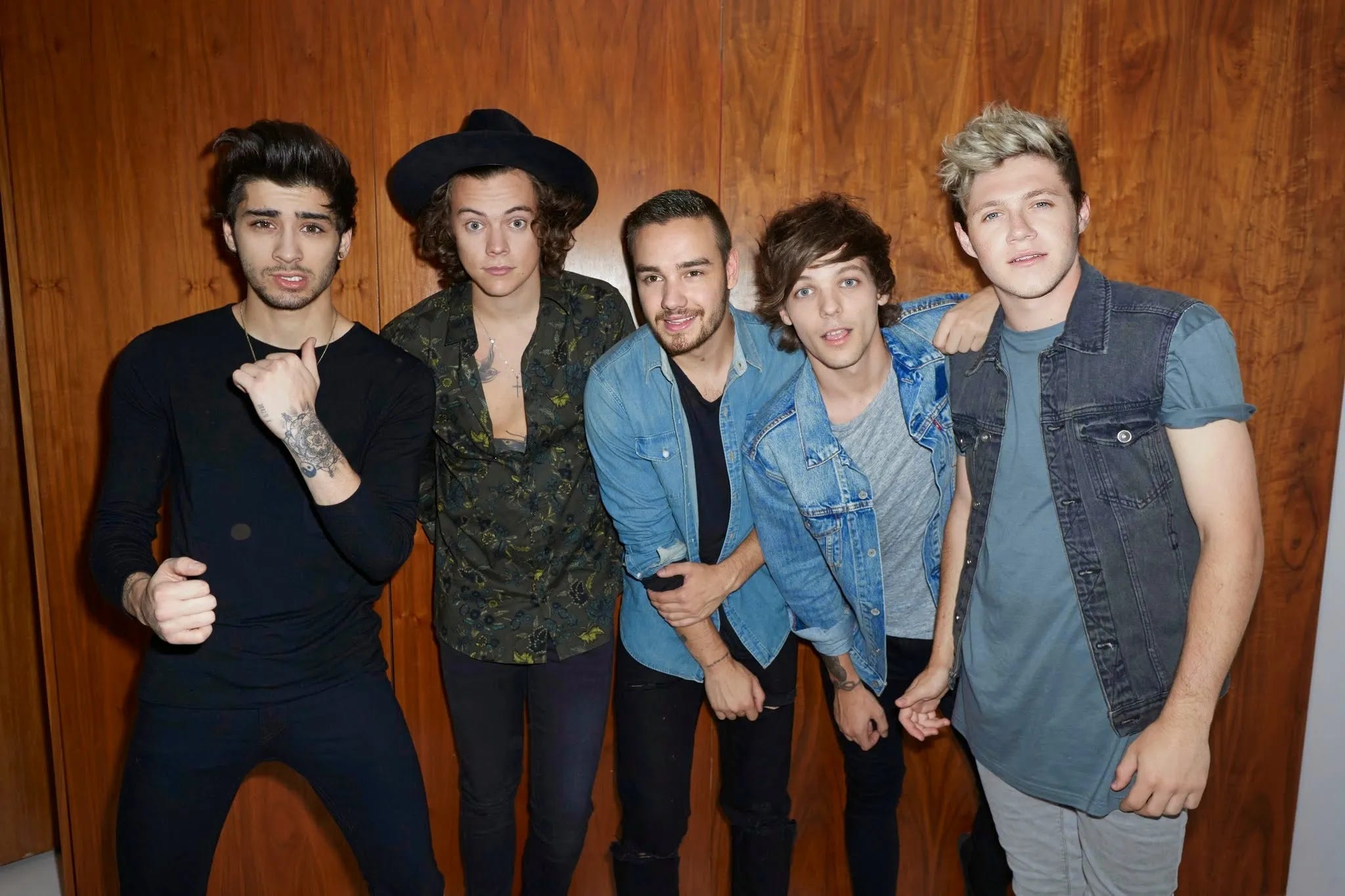
Kaitlin Tiffany got close to capturing the feeling in her 2022 book Everything I Need I Get From You, which chronicles the happenings of the online One Direction fandom in the 2010s, strongly arguing that fangirls shaped the social internet as we know it today.
The book opens with an anecdote that I remember happening in real time. At one particular One Direction performance, probably in 2014, while singing his verse in the song “18,” Niall Horan sang the word “chance” unusually for some reason, his Irish accent perhaps altering it. “We took a chonce,” he bellowed through the stadium, turning the “a” into an “o.” This moment was immortalized in a six-second Vine. The blurry iPhone video features Niall on the jumbotron in the stadium, singing the line, followed by the sound of a teenage fan next to the person filming earnestly screaming: “What the fuck is a ‘chonce’??”
From then on, “chonce” and “WTF is a chonce?” became a part of the fandom’s canon, an inside joke among fans, a caption for a deep-fried photo of the band, or a print for an Etsy T-shirt, a word and phrase used and transposed with reckless abandon. Inside jokes united online fans, who were otherwise separated by time and space. They were notes passed under the dinner table. Outsiders looking in assumed it was all shallow admiration, but it was far more convoluted and interwoven than that. A secret language shared among friends.
Within a few weeks of the initial Vine being uploaded, Harry Styles acknowledged the joke on stage at another concert. “Don’t sing ‘chonce,’” he jokingly muttered to Niall before his part in the song. I remember being fourteen years old when this was all going down, and feeling every cell in my body light up upon watching the clip, every neuron firing at once. Our fandom antics weren’t just insular. The jokes weren’t merely bouncing off the walls of an echo chamber - the boyband was in the chamber with us. They could see and hear us. They could respond to us. Being a fan was always a one-sided relationship before - fan efforts with products of imagination, interpolation, and projection. This, on the other hand, was dyadic. We were making meaning together; there was no precedent for it.
There would be many moments like this in the fandom - like when Directioners decided to try to get “No Control,” a random song off One Direction’s album Four, to chart, and the band added it to their tour set list in response. “No Control” ended up being the first non-single to win a Teen Choice Award. These were moments when teenage girls, like myself, silently streaming music and reblogging and sharing images and links in their room, could feel the world reverberate back at them. A sign of life amid a period of life punctuated by loneliness and impatience.
During that period, I was also listening to Pure Heroine and thinking I was the only person on Earth who could relate to the music; it must have been written specifically for me. Come to find out, over a decade later, at the Ultra Sound World Tour, I couldn’t have been more wrong. Junctures like these are real checkpoints in one’s life, moments when one looks backward and realizes how much time has passed. When I was listening to this music at thirteen, I identified with the feeling of powerlessness and looked to the internet as a source of courage. Being fully in control of my consumption and production was a kind of false power, assigning images to Pinterest boards and cultivating a digital aesthetic as if it were a full-time job. It was something to fill the space, a rope to grip.
“It feels so scary getting old,” I thought at thirteen. It feels so scary if this is all there is to life. Waiting and scrolling. Now I sing the line with a different tone, looking a bit further down the barrel of life. Getting old was never the scary part. It was always the waiting. The negative space.
At concerts like these, in major cities like Seattle, you typically see a lot of mothers and daughters. Many of the mothers look like mothers, with their cardigans and warm smiles. Others look like mothers in their teenager’s skin, leather pants, duck-lipped smize, and ripping a vape. This was the sight when I saw Gwen Stefani at the same concert venue ten years ago; there are fewer mothers like this at Lorde.
I did see mothers like this when I popped by my sister’s university recently though. My mom and I bear our teeth in our pictures, smiles stretching our skin clumsily. At the sorority house, these moms and their daughters angle their faces towards each other, purse their lips, check the image, and go again. They’re wearing stage makeup, coins of blush on their cheeks, and black kohl around their eyes, hair crunchy and fragrant with hairspray. The mothers join the circles of sorority sisters, gabbing away, and for a second, I mistake some of them as students.
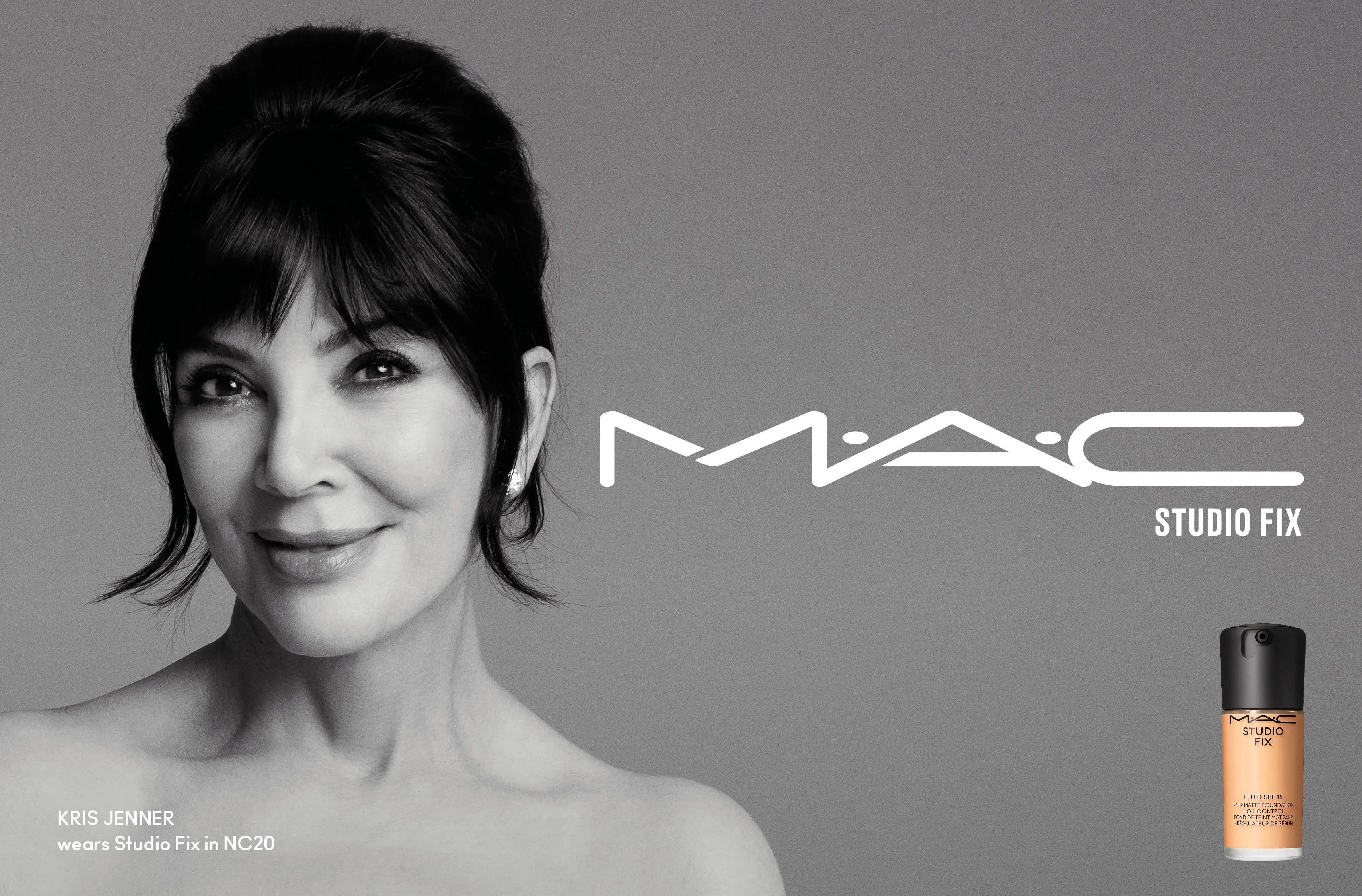
“Are you sisters or sorority sisters?” a parent asks my own sister and me. We laugh and tell them that we’re just sisters. We shift our gaze back to the others. I don’t feel nervous about getting older, but the world seems to feel that for me. Eyes shift between my younger sisters and I. Kris Jenner, face freshly lifted, bores holes in my eyes from her Mac ad plastered across Sunset Boulevard. My coworkers, none of them thirty, tell me that they’re approaching Botox age. All of them nod their heads except me.
I don’t feel more righteous than any of them - or I at least try not to admit it. These women are performing exorcisms on themselves, but they’re still alive. Barely even adults. I wonder how it’ll feel when the gulf widens between me and the people my age who make alterations. When I look decades older than my sisters and my coworkers than I actually am. Maybe being younger than I look will become a kind of relief, catching my reflection in the window and remembering that there’s still more time.
“It feels so scary getting old.” I have more responsibility and more to do now, but the hardest part of anything is the same as it was when I was a teenager. I suspect it’s also the hardest part for all of these women, and for everyone else too. The hardest part isn’t watching the time pass, but waiting for it to.
This piece hit me hard, Madison — that mix of nostalgia, time, and identity feels universal. I felt it the same way standing in a crowd years later, singing lyrics I once swore were written just for me. Getting older isn’t the scary part — it’s realizing how many versions of ourselves we’ve already outgrown. Beautifully done! -Kelly
This was such a heartwarming read. Thank you for putting so much soul into it.